
Buying Guide
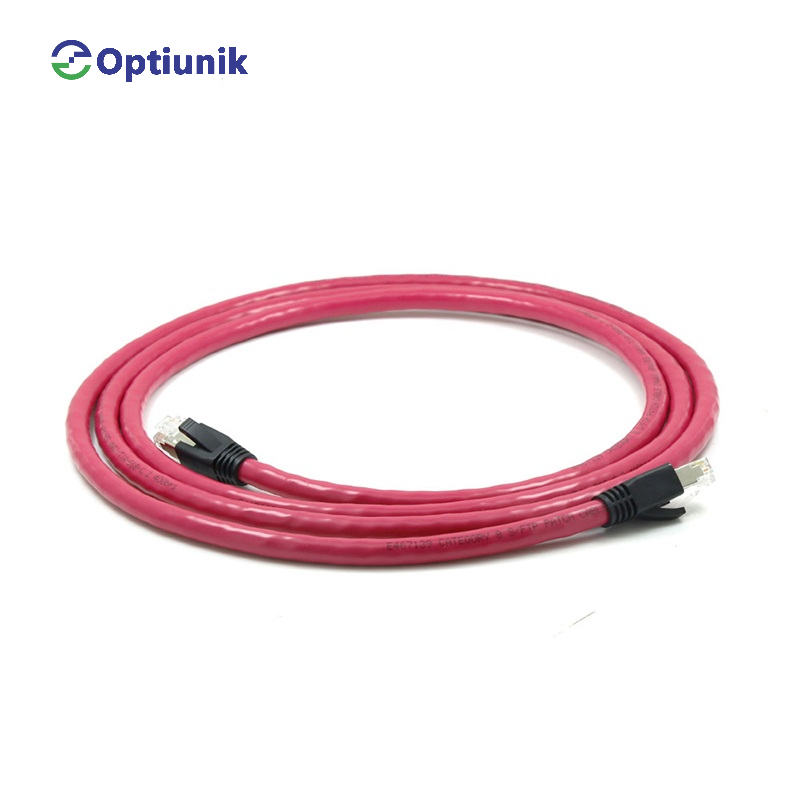
CAT5E vs CAT6 vs CAT6A vs CAT8: Picking the Right Network Patch Cord
Published July 20, 2026
Bandwidth, shielding, reach, and PoE behavior compared across four Ethernet patch cord categories — and when each one is the right call.
At a glance
Cord category | Bandwidth | Supported speed (length) | Shielding common forms |
|---|---|---|---|
CAT5E | 100 MHz | 1 GbE @ 100 m | U/UTP, F/UTP |
CAT6 | 250 MHz | 1 GbE @ 100 m, 10 GbE @ 55 m | U/UTP, S/FTP |
CAT6A | 500 MHz | 10 GbE @ 100 m | U/UTP, S/FTP, F/UTP |
CAT8 | 2000 MHz | 25/40 GbE @ 30 m | S/FTP only |
Shielding shorthand
U/UTP — fully unshielded twisted pair. Lightest and cheapest. No
grounding needed. Fine for low-EMI environments.
F/UTP — overall foil; individual pairs unshielded. Modest noise
protection.
S/FTP — individual foil-shielded pairs inside an overall braid.
Required for CAT8 and for CAT6A in high-density bundles where alien crosstalk dominates.
PoE and heat
Higher-AWG conductors (22 AWG > 24 AWG > 26 AWG) carry less heat per amp and matter increasingly at PoE++ (Type 4, up to 90 W). For long PoE++ runs, prefer 22 AWG CAT6A over thinner CAT6.
PVC vs LSZH jacket
PVC is the default; LSZH (Low Smoke Zero Halogen) is mandatory in plenum and riser installations in the EU and most APAC datacenters. Specify LSZH for any patch cord that will sit in a return-air plenum.
Decision rule
Office desktop, ≤ 1 GbE — CAT5E U/UTP.
General-purpose LAN, headroom for 10 GbE — CAT6 U/UTP or CAT6A U/UTP
at 100 m.
Datacenter top-of-rack, 10 GbE @ 100 m — CAT6A S/FTP, 22 AWG.
Datacenter ToR-to-server, 25/40 GbE @ 30 m — CAT8 S/FTP.
All four categories ship in PVC and LSZH from our network-patch-cord catalog.
More in Buying Guide
 Buying Guide
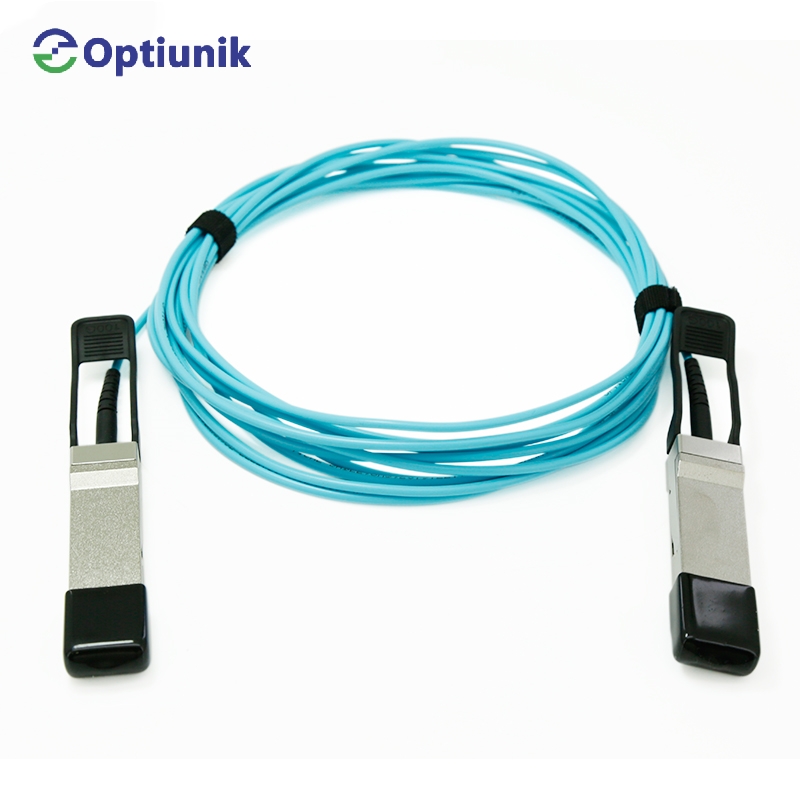
DAC vs AOC: Picking the Right Short-Reach Cable for Your Rack
Passive copper DAC is cheaper and lower-latency, but maxes out at ~5 m. AOC pushes the same form factors to 100 m with integrated optics. Here is how to choose.
July 20, 2026
 Buying Guide
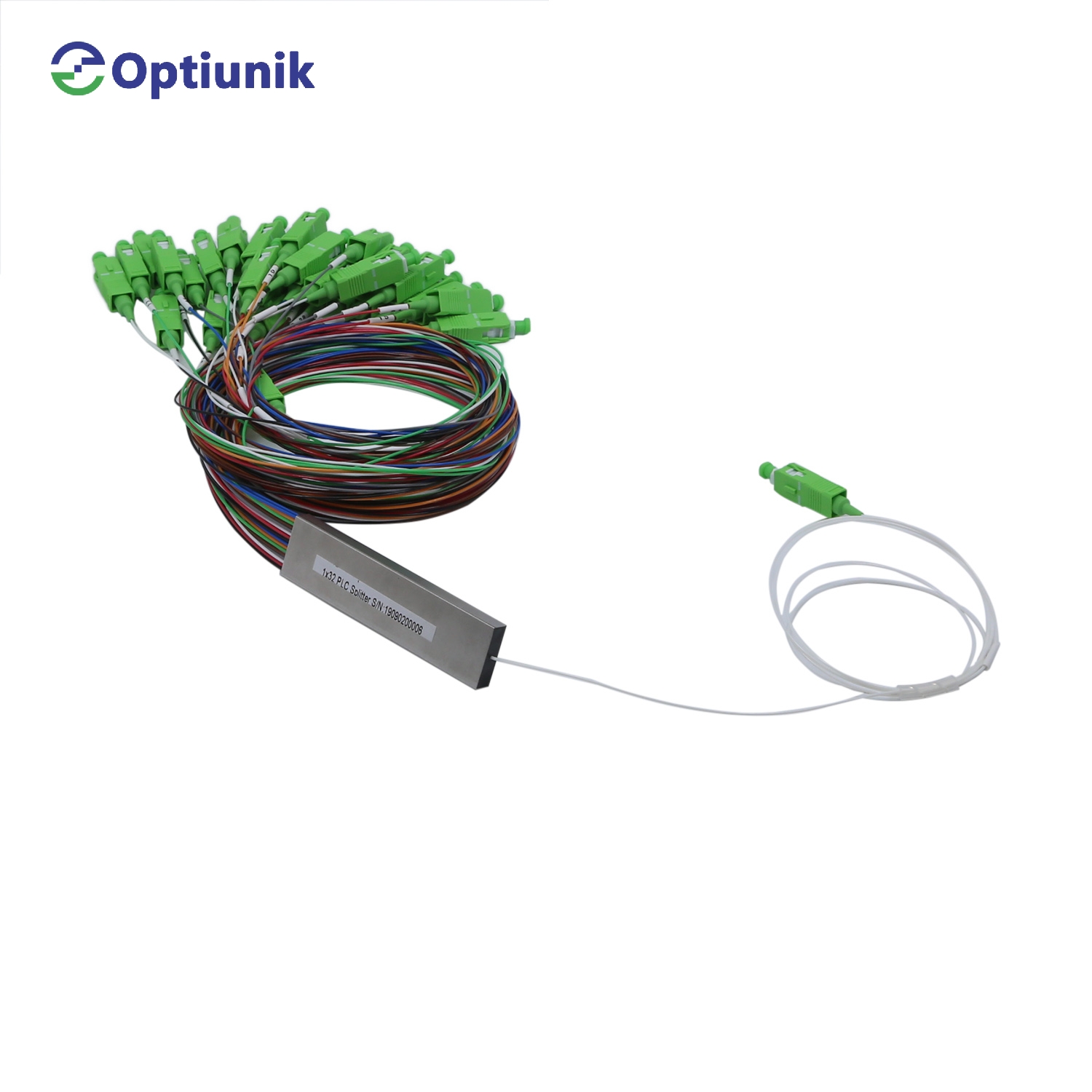
PLC Splitter Buying Guide: Specs, Packaging, and Use Cases
How to choose between mini, ABS-box, LGX, and rack-mount PLC splitter packaging for FTTx, PON, and lab applications — split ratio, insertion loss, return loss, and connector polish considerations.
July 20, 2026
Ready to source from the factory?
Send us your BOM, target price, and shipping terms. Our team replies within one business day.