
Buying Guide
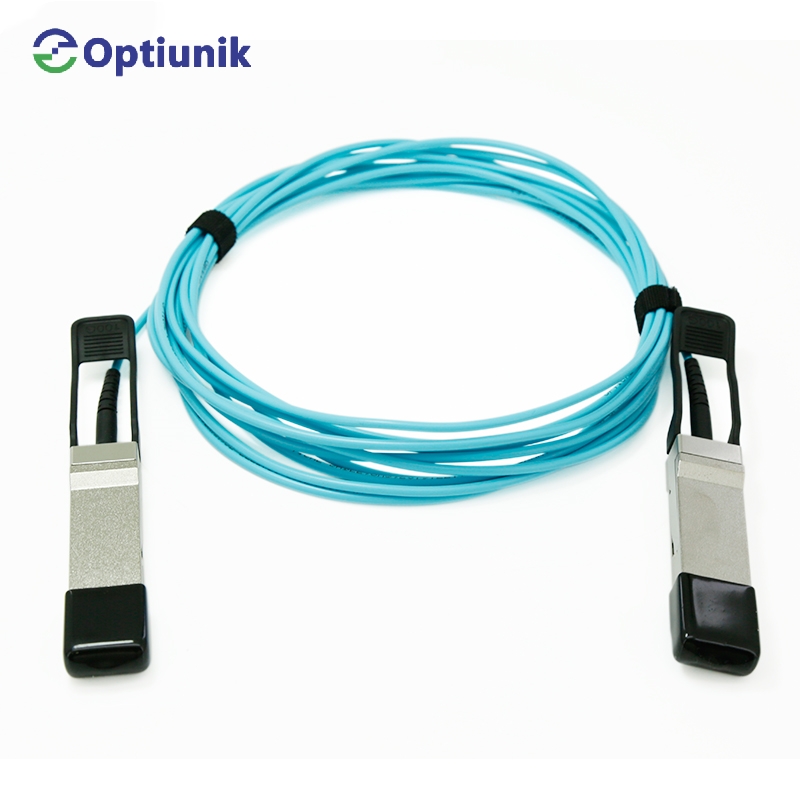
DAC vs AOC: Picking the Right Short-Reach Cable for Your Rack
Published July 20, 2026
Passive copper DAC is cheaper and lower-latency, but maxes out at ~5 m. AOC pushes the same form factors to 100 m with integrated optics. Here is how to choose.
What "DAC" and "AOC" actually mean
Both are end-to-end pre-terminated cable assemblies with built-in pluggables — you don't pick separate transceivers and patch cords.
DAC (Direct Attach Copper) — twinaxial copper between two SFP/QSFP
plugs. Passive variants do no signal regeneration; active variants embed a re-driver to hit longer reaches.
AOC (Active Optical Cable) — multi-mode fiber between two pluggables
that contain a VCSEL transmitter and PIN receiver. Optical, but cheaper than buying transceivers + fiber separately.
Reach and cost crossover
Cable type | Practical reach | Power per end | Relative cost |
|---|---|---|---|
Passive DAC 100 G | 3 m | 0 W | 1x |
Passive DAC 100 G | 5 m | 0 W | 1.2x |
Active DAC 100 G | 7 m | ~1 W | 1.5x |
AOC 100 G | 30 m | ~2 W | 2.5x |
AOC 100 G | 100 m | ~2 W | 3.5x |
Within a single rack (≤ 5 m), passive DAC is unambiguously the right answer — lowest cost, lowest latency, zero power. The moment you cross racks or rows, AOC becomes preferable; weight and bend radius of copper twinax at 100 G+ become installer pain points.
When to skip both and use transceivers + fiber
Rack-to-rack distances that vary per deployment, future-proofing for transceiver upgrades, or environments where the same fiber plant must survive multiple generations of speeds.
We stock DAC and AOC in 10 G / 25 G / 40 G / 100 G — get in touch for 400 G QSFP-DD and 800 G OSFP variants.
More in Buying Guide
 Buying Guide
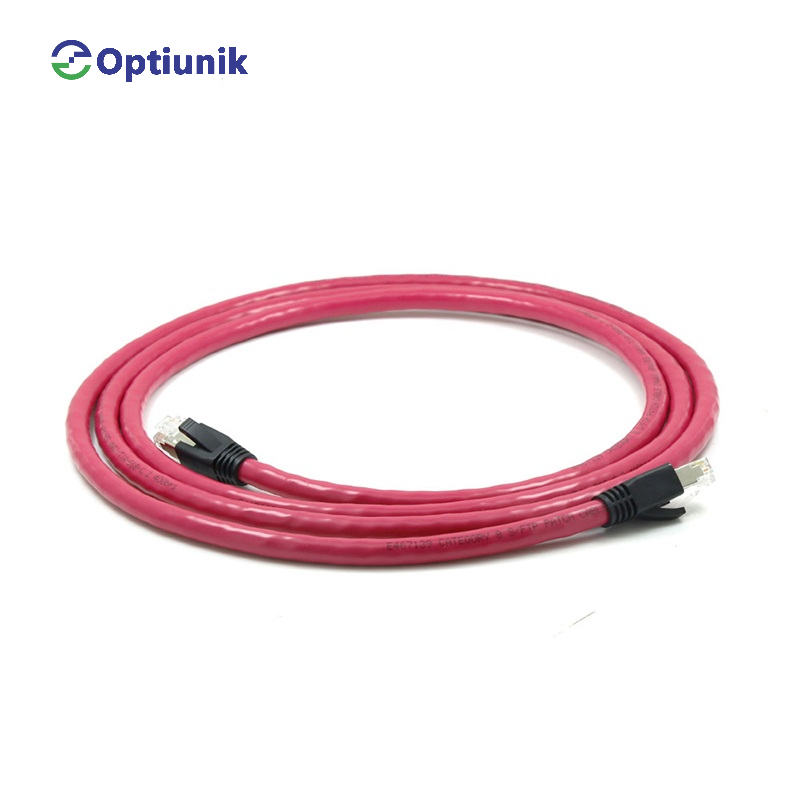
CAT5E vs CAT6 vs CAT6A vs CAT8: Picking the Right Network Patch Cord
Bandwidth, shielding, reach, and PoE behavior compared across four Ethernet patch cord categories — and when each one is the right call.
July 20, 2026
 Buying Guide
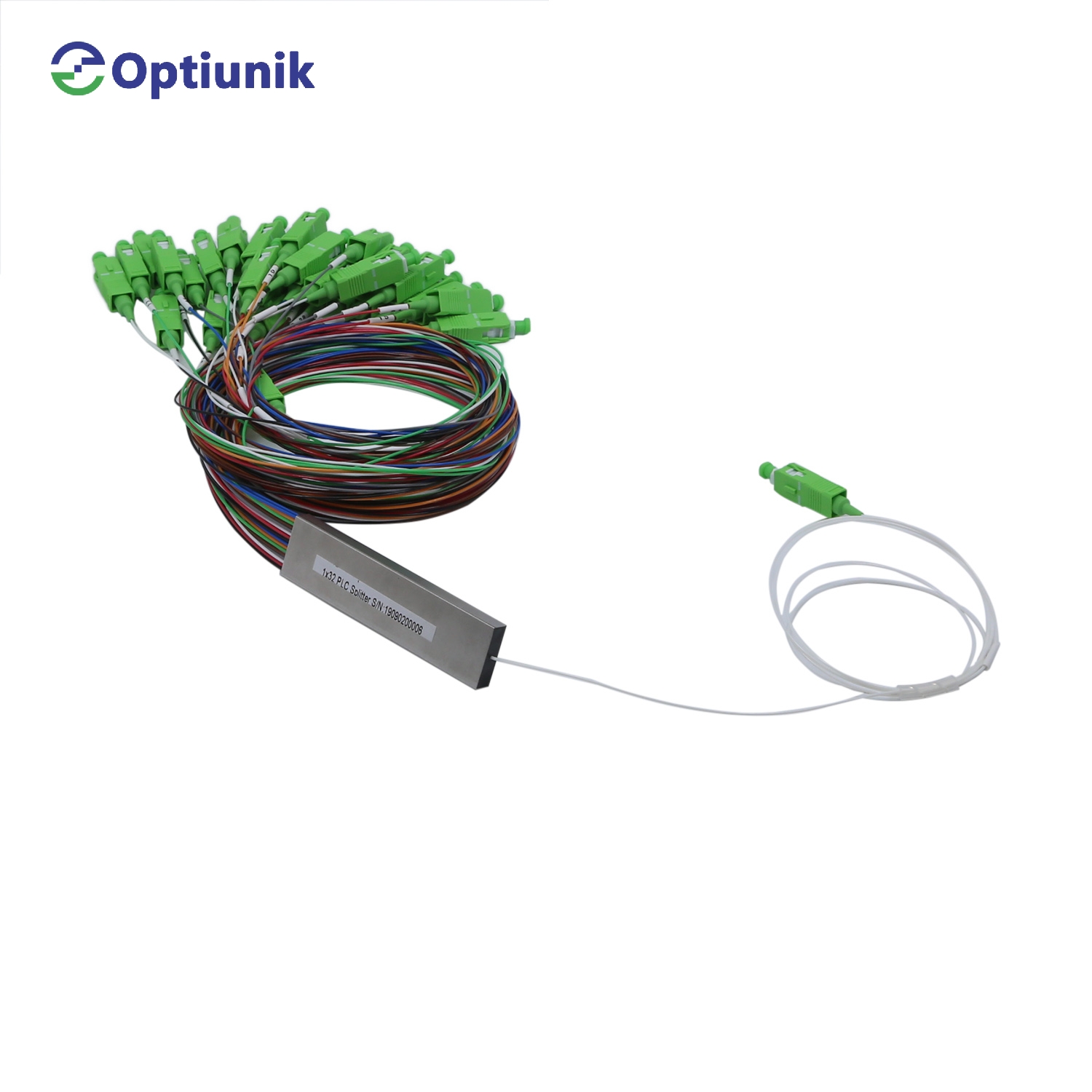
PLC Splitter Buying Guide: Specs, Packaging, and Use Cases
How to choose between mini, ABS-box, LGX, and rack-mount PLC splitter packaging for FTTx, PON, and lab applications — split ratio, insertion loss, return loss, and connector polish considerations.
July 20, 2026
Ready to source from the factory?
Send us your BOM, target price, and shipping terms. Our team replies within one business day.