
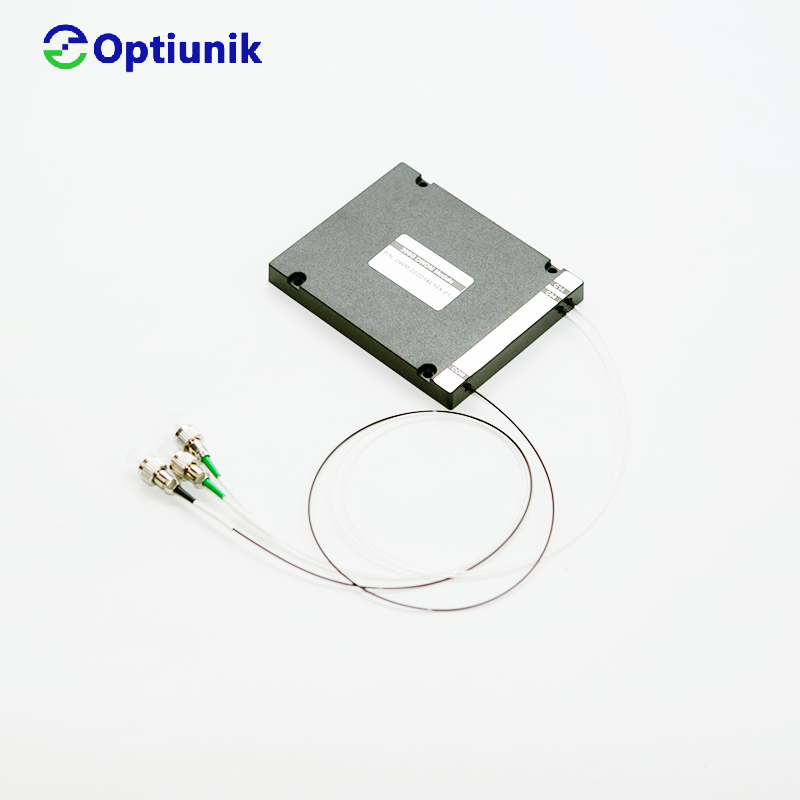
Technical Knowledge
CWDM vs DWDM: Channel Spacing, Reach, and Where Each Wins
Published July 20, 2026
The same fiber can carry one signal or eighty. The choice between Coarse and Dense WDM rides on three numbers: channel count, channel spacing, and amplifier tolerance.
The two ITU grids
CWDM (ITU-T G.694.2) — 20 nm spacing between channels, 1271–1611 nm
total band. Up to 18 channels in practice (some bands trimmed by water peak). Wide spacing means cheap, uncooled DFB lasers.
DWDM (ITU-T G.694.1) — 100 GHz (0.8 nm) or 200 GHz spacing on the
C-band grid around 1550 nm. Up to 80+ channels at 50 GHz spacing. Requires temperature-stabilized lasers and tight filter passbands.
Reach and amplification
Because DWDM channels sit in the C-band, erbium-doped fiber amplifiers (EDFAs) can boost the whole comb at once — reaches of hundreds of kilometers are routine in long-haul. CWDM's wide band excludes EDFA-only operation; you amplify per channel or terminate at every site.
Cost and operational complexity
Dimension | CWDM | DWDM |
|---|---|---|
Mux/demux cost | $ | $$$ |
Transceiver cost | $ | $$ (tunable optional) |
Per-channel reach | 40–80 km | 80–2000 km |
Amplification | Per-channel or none | EDFA across the comb |
OAM (channel mgmt) | Trivial | Requires tooling |
Decision rule
Need ≤ 8 channels, ≤ 80 km, low capex? → CWDM (1U rackmount or LGX).
Need > 16 channels, long-haul, or 100 G+ per channel? → DWDM with
coherent 100 G/400 G ZR transceivers.
Metro at 8–16 channels, < 80 km? → 200 GHz DWDM offers better
reach-density than CWDM at a modest cost premium.
Shop our CWDM and DWDM modules or talk to sales about custom channel maps.
More in Technical Knowledge
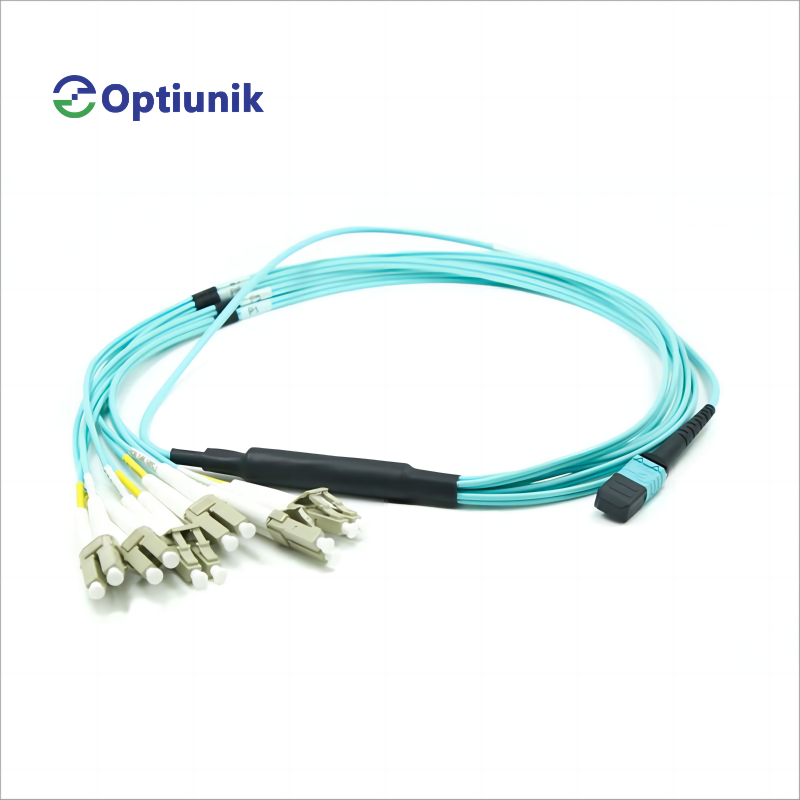 Technical Knowledge
MTP/MPO Polarity, Fiber Count, and Breakout Topology Explained
Type A, B, C polarities. 8/12/24-fiber MTPs. Trunk vs breakout. A field guide that prevents the most expensive cabling mistakes in 40 G/100 G/400 G parallel-optic deployments.
July 20, 2026
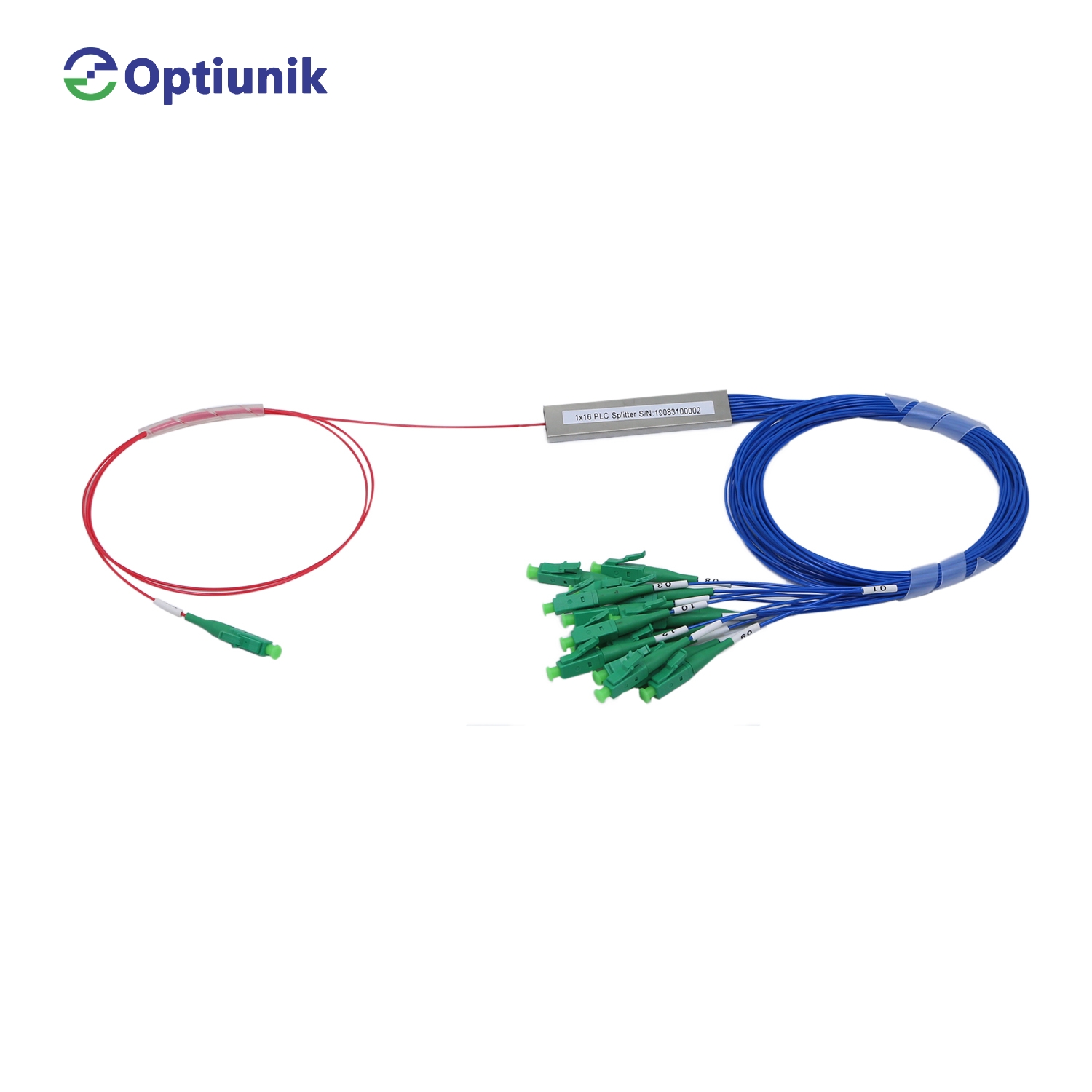 Technical Knowledge
What is a PLC Splitter? Beginner's Primer
Two-minute introduction to Planar Lightwave Circuit splitters — what they do, why fiber networks need them, and the three numbers that define one.
July 20, 2026
Ready to source from the factory?
Send us your BOM, target price, and shipping terms. Our team replies within one business day.