
Technical Knowledge
MTP/MPO Polarity, Fiber Count, and Breakout Topology Explained
Published July 20, 2026
Type A, B, C polarities. 8/12/24-fiber MTPs. Trunk vs breakout. A field guide that prevents the most expensive cabling mistakes in 40 G/100 G/400 G parallel-optic deployments.
Why MTP/MPO exists
Speeds above 25 G per lane reuse multiple parallel fibers in one cable. 40GBASE-SR4 needs 4 TX + 4 RX fibers; 100GBASE-SR10 used 10 + 10; 400G-DR4 needs 4 + 4 single-mode. MTP/MPO connectors bundle 8, 12, or 24 fibers in one rectangular ferrule, replacing four to twelve LC duplex links.
Polarity: Type A, B, C
Polarity ensures the TX on one end maps to the RX on the other. The three schemes (TIA-568.3-D Method A, B, C) differ in where the cross-over happens — at the trunk, in a fan-out, or with key-up vs key-down adapters.
Polarity | Trunk | Fan-out | Notes |
|---|---|---|---|
Type A | Straight | TX/RX flip | Most common for SR optics |
Type B | Reverse-pair | Straight | Symmetric — preferred for breakout |
Type C | Pair-flip | Straight | Single-mode parallel deployments |
Pick one scheme per data hall and stick with it. Mixing schemes is the single most common cause of "fiber works in loopback but not link".
8 vs 12 vs 24 fibers
8-fiber MTP — exactly matches 40G/100G/400G parallel optics. No
wasted fibers, lower IL. Becoming the default for new builds.
12-fiber MTP — legacy default; 8 active + 4 dark. Compatible with
8-fiber breakout via conversion modules.
24-fiber MTP — 2× the density per port. Used for 200G-SR8 and dense
cabling between row-end patch panels.
Breakout vs trunk
Trunk — MTP on both ends. Aggregates 8/12 LCs into one connector for
long routes.
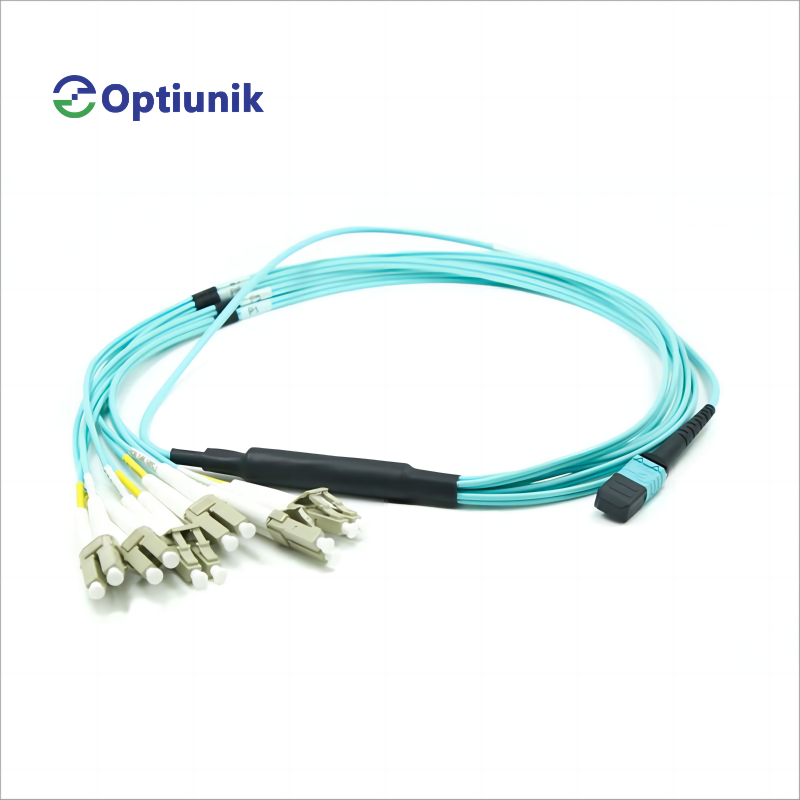
Breakout (fan-out) — MTP on one end, 8/12 LC duplex on the other.
Converts a parallel-optic switch port to discrete duplex feeds.
See our standard MTP/MPO patch cords and breakout assemblies.
More in Technical Knowledge
 Technical Knowledge
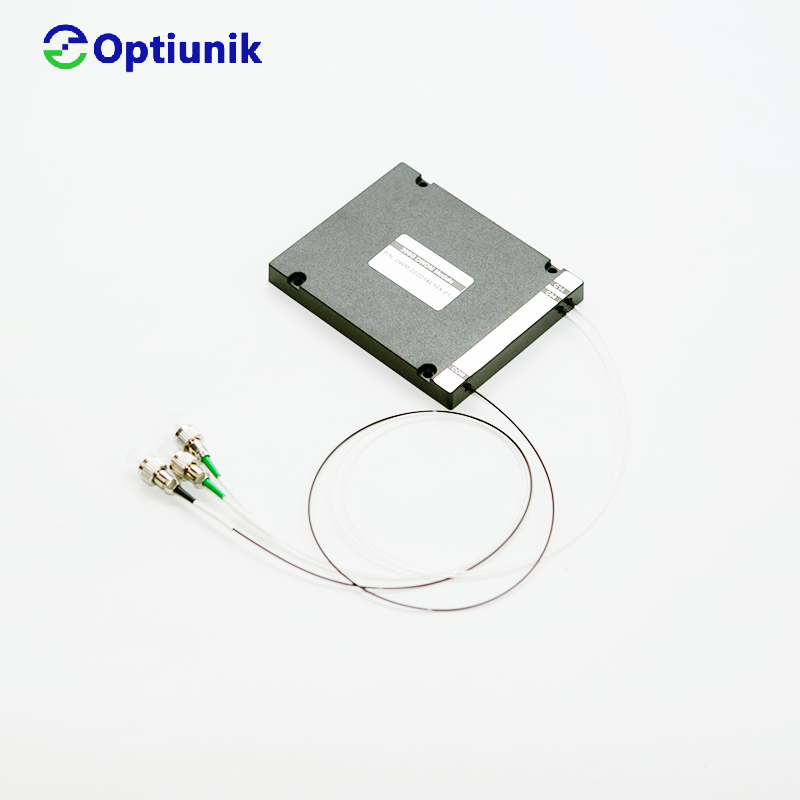
CWDM vs DWDM: Channel Spacing, Reach, and Where Each Wins
The same fiber can carry one signal or eighty. The choice between Coarse and Dense WDM rides on three numbers: channel count, channel spacing, and amplifier tolerance.
July 20, 2026
 Technical Knowledge
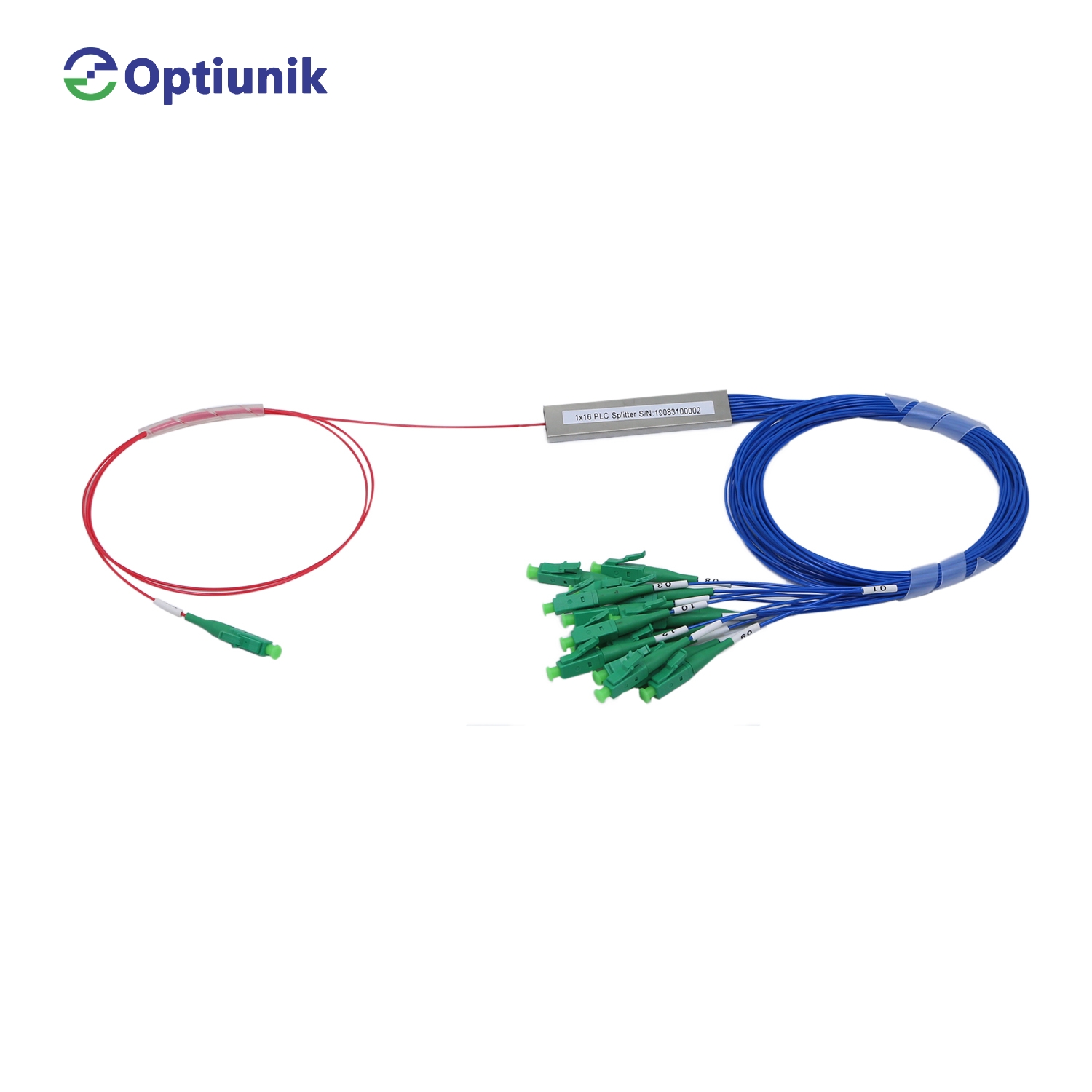
What is a PLC Splitter? Beginner's Primer
Two-minute introduction to Planar Lightwave Circuit splitters — what they do, why fiber networks need them, and the three numbers that define one.
July 20, 2026
Ready to source from the factory?
Send us your BOM, target price, and shipping terms. Our team replies within one business day.